Battery Storage: The World's Fastest Growing Energy Technology Has a Talent Crisis
BY Kerry Ryan
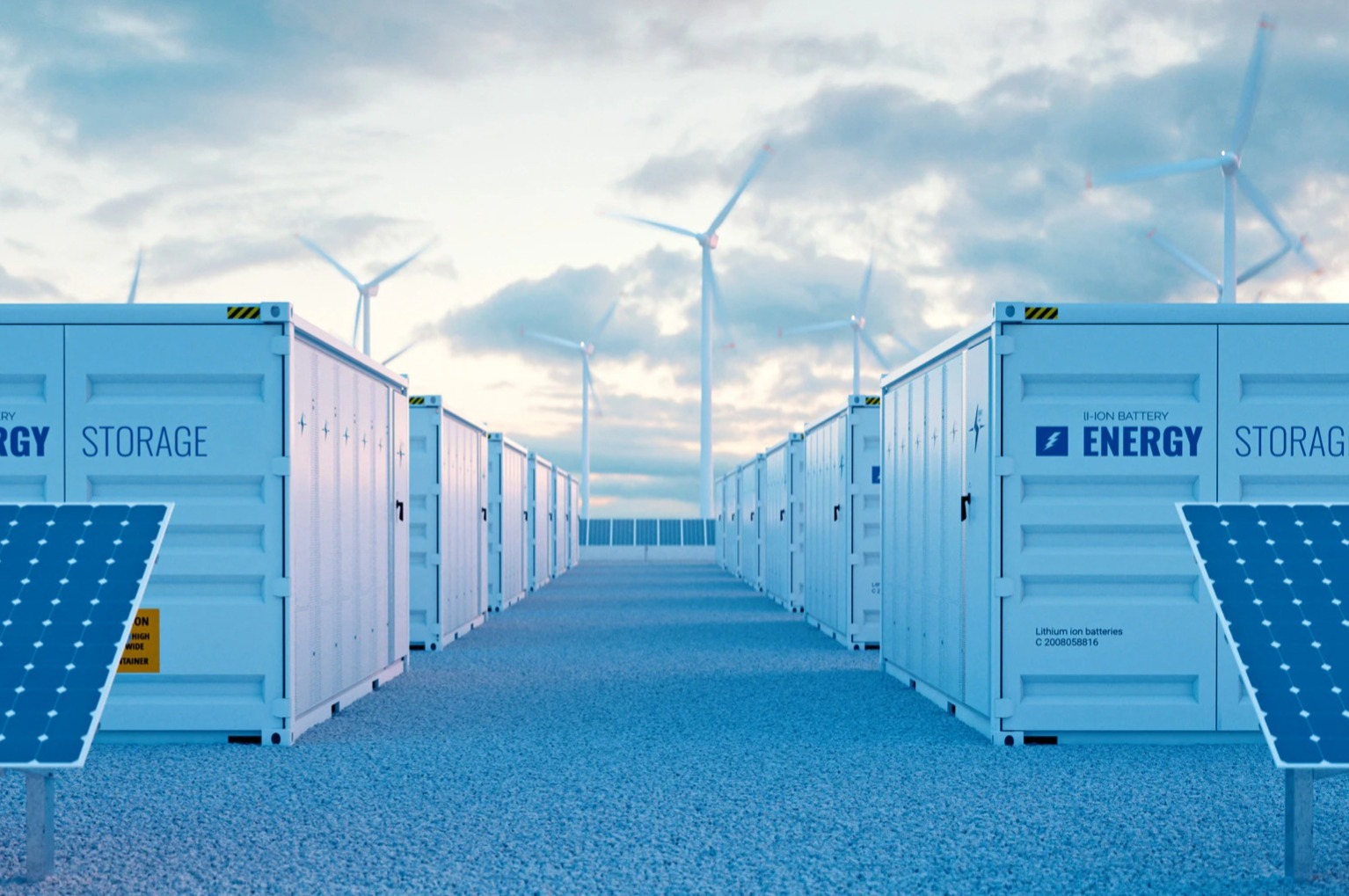
In recent years, battery storage has become one of the most important technologies in the global energy transition. In 2025, it also became the fastest-growing power technology in the world, according to the International Energy Agency. As renewable energy grows, storage is becoming essential for managing variable power from sources like wind and solar and keeping the grid stable. But while investment and deployment are growing quickly, the industry is facing a new challenge in finding enough skilled workers to keep up with this sudden growth.
Over the past five years, battery storage capability has been growing at speed, with the power capacity of utility-scale batteries growing more than twelve times between 2020 and 2024. By the end of 2025, global energy storage installations had surpassed 270 GW, marking a major milestone for the sector.
Investment is also rising quickly. The global battery energy storage market is projected to grow from $51 billion in 2025 to more than $106 billion by 2030, driven by grid expansion and new industrial demand. In the United States alone, the market is scaling at extraordinary speed. According to the American Clean Power Association, 18.9 gigawatts of battery storage capacity were installed in 2025, a 52% increase compared with the previous year. Across Europe, North America and Asia-Pacific, battery storage has moved from an emerging technology to a core component of modern power systems.
Part of what makes battery storage so important is its growing role across multiple parts of the energy system. For grid operators, it provides the flexibility needed to integrate large volumes of wind and solar generation, helping to balance supply and demand more effectively. Unlike traditional power plants, which can take years to develop, batteries can be deployed much more quickly, making them a key solution for companies that need fast access to new electricity capacity. As a result, battery storage is becoming a key technology in the energy transition.
Despite this momentum, the main limit on battery storage is no longer technology or funding, it’s people. According to industry research, 82% of battery industry employers report shortages of skilled applicants, with engineers, technicians and manufacturing specialists among the hardest roles to fill.
This challenge also extends beyond the battery sector. A survey of more than 700 energy companies found that over half are already experiencing hiring bottlenecks, with workforce shortages delaying projects and increasing infrastructure costs. While technology may be ready to scale, the workforce required to build and operate it is still catching up.
As battery storage grows, demand for specialist skills is rising across the project lifecycle. Companies need grid integration engineers to connect systems to the network, BESS commissioning specialists to ensure safe operation, development directors to lead projects, and ESG and compliance experts as regulations like the EU Battery Regulation reshape the sector. At the same time, experienced project managers and construction specialists are key to delivering complex storage projects. Many come from adjacent sectors like renewables, grid infrastructure and power engineering, bringing valuable experience that helps speed up battery storage growth.
It is clear now that battery storage is no longer a niche technology, it now plays a central role in the modern energy system. As the sector expands, it presents a major opportunity for energy professionals in the coming decade. But for companies looking to scale projects and deliver new infrastructure, success will depend on one key factor: having the right people in place.
As the storage market continues to grow, attracting and developing this talent pool will become one of the industry’s biggest priorities. With specialist recruitment networks across Europe and deep experience in renewable energy markets, ERSG supports organisations building teams for solar and battery storage projects.
As the sector continues to grow, connecting the right talent with the right opportunities will be key to sustaining that momentum. For companies scaling battery storage teams, or professionals looking to move into the sector, the opportunity has never been bigger.