
Marine White-Collar Jobs: Roles, Skills and Career Opportunities in the Offshore Industry
BY Kerry Ryan

When considering staffing for marine projects, the focus often falls on vessel crews and trade roles. However, behind offshore wind farms, subsea projects and marine construction is a wider team of engineers, project managers, environmental specialists, HSE professionals and other technical experts.
Marine white-collar jobs cover the professional, technical and management roles that support marine and offshore projects, including engineering, project management, surveying, environmental work and marine coordination. These roles can involve planning, coordination, project delivery, technical consultancy and other specialist responsibilities. While these roles are often office-based, many involve offshore work, vessel visits or time on site. The key difference is the type of work rather than where it takes place.
Marine white-collar roles
The marine industry covers a broad range of professional specialisms, which gives potential candidates several career paths.
Marine engineering and naval architecture roles involve the technical design, assessment and operation of marine systems, vessels and offshore assets. These professionals can work across vessel operations, offshore construction, marine infrastructure and energy projects.
Project management and marine coordination roles focus on planning and delivering projects, coordinating contractors and vessels, managing schedules and making sure different teams can work effectively together. Marine coordinators play an important role in keeping offshore campaigns running efficiently.
HSE and QHSE professionals are responsible for helping projects meet health, safety, environmental and quality requirements. Their work can involve risk management, compliance, audits, site activities and supporting safe project delivery.
Environmental and survey roles are particularly important during the development and construction of offshore projects. Environmental scientists, marine mammal observers, passive acoustic monitoring operators, hydrographic surveyors and geophysical surveyors can all contribute to understanding and monitoring the marine environment.
There are also opportunities in subsea and technical specialisms, including ROV operations, subsea engineering, inspection and diving. Technical consultants and client representatives can provide specialist knowledge and oversight throughout different stages of a project.
Where are marine professionals needed?
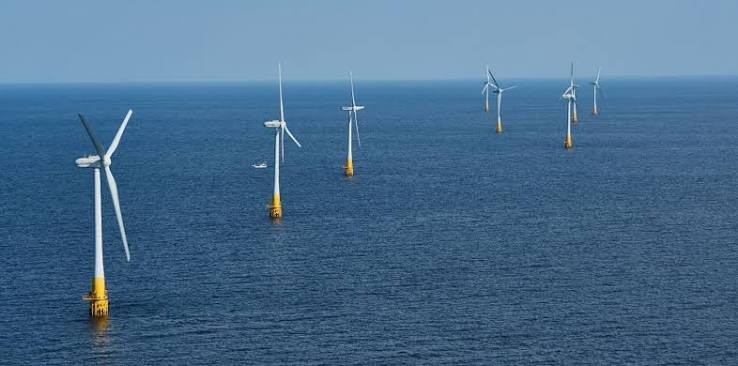
In terms of marine roles, offshore wind is one of the most significant areas of opportunity. Offshore wind projects require expertise across engineering, marine operations, environmental monitoring, HSE, project management and logistics.
Marine professionals are also needed for subsea cable installation, marine construction, vessel operations, maritime infrastructure and offshore energy projects. Work can include cable route planning, trenching, UXO clearance, seabed preparation, construction vessel coordination, ROV deployment and subsea inspection.
These projects also offer opportunities to transfer marine experience into renewable energy. ERSG supports permanent and contract roles across offshore wind, engineering, project management, marine operations and HSE.
Qualifications and experience
There is no one qualification that applies to every marine career, it depends on the role and level of experience. Marine engineering and naval architecture roles usually require relevant qualifications and industry experience, and survey and environmental roles may require qualifications in surveying, marine science or environmental science.
Offshore experience can also be valuable, as working with vessels, marine construction, offshore operations or complex projects shows an understanding of the practical challenges involved. Transferable skills include engineers, project managers and technical specialists from other industries may have experience that can be applied to marine and offshore energy projects.
For many employers, project experience is important. Experience across different stages, such as planning and construction and commissioning and operations, can be useful.
Contract vs permanent marine roles
Marine professionals can choose between permanent and contract roles, depending on what suits them best. Permanent marine jobs offer more stability and the chance to build a long-term career with one company. Contract marine jobs offer more flexibility and the chance to work on different projects, with different companies and in different locations.
The right choice depends on your experience, career goals and how you prefer to work. It’s also worth considering the project, location, contract length and travel requirements.
How to make your marine CV stand out
A strong marine CV should make it clear what you can offer. Focus on your relevant experience, technical skills, qualifications and certifications, as well as the projects, vessels and environments you have worked in.
If you have offshore, subsea or marine experience that could transfer into areas such as offshore wind, make this clear. It is also important to keep your CV up to date, as marine projects can move quickly, and recruiters need accurate information when matching you with opportunities.
Marine and offshore energy careers
The marine industry offers opportunities for those looking to move into offshore energy. As offshore wind, subsea and marine projects grow, demand is increasing across technical, environmental and project roles. Experience from other sectors can also be useful. A strong technical background, relevant project experience and offshore knowledge can open up opportunities across marine and energy.
For employers, finding people with the right mix of skills and experience can be challenging, so understanding the talent market early can help with recruitment and project planning.
ERSG supports marine projects with recruitment across construction, operations, environmental and technical roles, offering both permanent and contract opportunities. Whether you’re looking for your next marine role or considering a move into offshore wind, specialist recruitment can help you find the right opportunities.
Frequently Asked Questions
What are marine white-collar jobs?
Marine white-collar jobs are professional, technical and management roles supporting marine and offshore projects. They include engineering, project management, HSE, environmental, surveying, marine coordination and technical consultancy positions.
What marine white-collar jobs are in demand?
Common roles include marine engineers, naval architects, project managers, marine coordinators, HSE professionals, environmental specialists, surveyors, subsea engineers and technical consultants. Demand varies depending on the project and market.
What qualifications do you need for marine engineering jobs?
Marine engineering jobs typically require a relevant engineering or technical qualification and appropriate industry experience. Specific requirements depend on the position and employer.
Can marine professionals work in offshore wind?
Yes. Marine professionals can transfer into offshore wind across engineering, marine operations, project management, HSE, surveying and environmental roles.
Are marine jobs available on a contract basis?
Yes. Marine professionals can find permanent, contract, temporary and project-based opportunities, depending on the project and employer requirements.
How can a marine recruitment agency help my career?
A specialist recruiter can help identify relevant opportunities, connect your experience with suitable projects and provide insight into the marine and offshore job market.
Can marine professionals move into renewable energy?
Yes. Marine experience can be highly transferable to areas such as offshore wind, subsea and marine infrastructure, particularly where candidates have relevant technical, project or offshore experience.
What should I include on a marine CV?
Include your relevant qualifications, technical specialism, project experience, offshore exposure, certifications, responsibilities and availability. Be specific about the projects and environments you have worked in.
What types of marine projects does ERSG recruit for?
ERSG recruits for offshore wind, subsea cable installation, environmental and UXO surveys, marine logistics, construction vessel operations, subsea engineering and inspection, and wider coastal and offshore infrastructure projects.