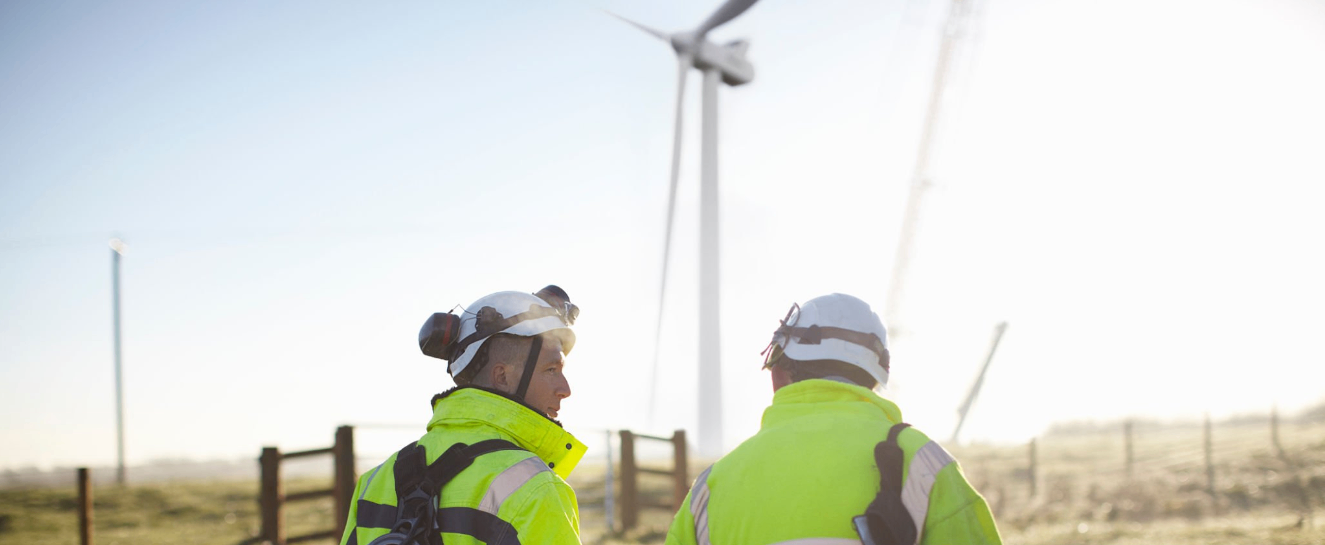
With the world moving towards NetZero goals, Offshore Wind is a driving force in the green energy transition. However, the process of these large-scale projects involve six distinct phases, each requiring specific technical expertise and careful planning.
Development
The first step is the development phase, where the best locations are chosen based on wind, environment, and permits. Safety teams look at possible risks, while engineers plan turbine layouts and check equipment options. Digital tools like mapping software help manage and visualise the site. Project managers handle timelines, risks, and budgets to keep everything on track.
Design and Engineering
The second phase is the design and engineering stage, wherein turbine design becomes more precise. Cable routes are mapped out and burial depths assessed, while substation and grid connection plans take shape. The seabed is surveyed, and UXO risks are evaluated by ROV specialists. Quality teams begin drafting inspection protocols and qualifying suppliers and design safety reviews are conducted with emergency planning. IT systems are integrated for digital design workflows and cybersecurity planning. PMO teams continue to manage interdependencies between engineering disciplines, procurement, and regulatory requirements.
Fabrication and Procurement
The next step is Fabrication and Procurement, where the project moves from design to building. Most of the work happens in fabrication yards, where turbines, foundations, and electrical parts are made. Quality teams check the manufacturing process and run tests to make sure everything works properly. Cables are made and tested, and key electrical parts are bought and prepared for delivery. Safety teams check the sites to protect workers, while project managers keep track of schedules, materials, and transport.
Construction and Installation
Once everything is built and ready, the project moves into the construction and installation phase. The seabed is prepared, cables are laid and covered, and turbines are installed using special ships. Quality teams check that everything is installed correctly and keep track of any issues. Safety becomes even more important offshore, with emergency plans in place and careful coordination at sea. Communication systems are set up, and monitoring technology is installed to track the turbines in real time.
Commissioning and Handover
Once installation is finished, the project moves into the commissioning and handover stage. All electrical systems are tested to make sure they’re safe and ready to connect to the grid. Turbines are checked for performance, and cables go through final testing. Subsea teams confirm everything has been installed correctly. Quality teams carry out final inspections, and IT systems are handed over to the operations team. Health and safety teams complete final audits, and project managers pull together all the necessary documents to officially hand the project over.
Ops and Maintenance
The final stage is operations and maintenance, which ensures that the wind farms are safe and running smoothly. Real-time monitoring tools help spot problems early and keep things efficient. Regular checks and seasonal upkeep make sure turbines stay in good shape, with drones and rope teams inspecting and fixing blades. Underwater robots check and maintain cables. O&M engineers work to boost performance, cut downtime, and lower costs. Environmental teams keep checking impacts, while marine experts monitor ocean life and make sure rules are followed.
At ERSG, we support clients and candidates across every stage of the offshore wind lifecycle. We deliver the people, knowledge, and recruitment solutions to support the global offshore wind industry at every stage of the lifecycle.
Offshore Construction and Commissioning Automation & Telecom Discipline Lead - Offshore wind The Automation & Telecom Discipline Lead reports operationally to the CC Offshore Installation Manager for the offshore substations. The position is a 14/14 rotational role offshore in the Polish Baltic Sea, with accommodation provided on the adjacent jack-up barge. The role is responsible for leading Company follow-up of offshore construction, completion and commissioning activities within the automation and telecom discipline. Responsibilities Lead the offshore automation and telecom discipline at the OSS, ensuring activities are executed safely and in accordance with the approved design, specifications, procedures, system boundaries and project requirements.Lead Company follow-up of contractors, package suppliers and vendors, verifying progress and quality, resolving technical blockers and escalating risks to the OIM and Commissioning Lead.Cover the relevant automation, SCADA, telecom, fibre-optic and industrial network systems, including interfaces between the OSS, ONS/control room, WTGs and other project packages.Review and support the preparation of work orders, work packs, commissioning procedures, test packs and RAMS, ensuring system boundaries and execution prerequisites are verified before field execution.Coordinate and witness mechanical completion, pre-commissioning, SAT, functional and end-to-end testing.Monitor completion status in ProCoSys or the applicable completion system, including punch categorisation, closure, documentation and readiness for handover.Coordinate offshore fibre termination, patching, continuity and network testing, including dependencies with control and protection activities.Ensure technical clarifications and required changes are properly assessed, authorised, recorded and tested.Coordinate discipline interfaces with electrical, control and protection, commissioning, Operations, IT/OT, cybersecurity and other contractors.Support the safe operation, monitoring and troubleshooting of automation and telecom systems during hook-up and commissioning.Participate in daily planning, SIMOPS, control-of-work and look-ahead meetings, ensuring discipline prerequisites and resource requirements are visible.Lead and coordinate assigned engineers, inspectors and vendor representatives, including priorities, field coverage and reporting.Support system acceptance and staged handover to Operations, ensuring outstanding conditions, punches and responsibilities are clearly documented.Maintain effective cooperation with contractor and vendor teams while ensuring they retain responsibility for their contractual scope and deliverables.Complete a structured handover between back-to-back rotation holders covering system status, risks, punches, vendor actions, configuration changes and upcoming activities.Perform an assigned emergency-response role where required and maintain the necessary medical, safety, technical and offshore competence. Qualifications and experience Relevant engineering or technical qualification in automation, control, telecom, instrumentation, electrical engineering or equivalent experience.Experience in automation and telecom construction and commissioning within offshore wind, offshore substations, HV substations, oil and gas or comparable major infrastructure.Previous experience in a lead or senior supervisory role.Strong knowledge of SCADA, industrial networks, fibre-optic systems, telecom systems and commissioning practices.Experience with completion-management systems such as ProCoSys, PIMS or equivalent.Experience managing contractors, vendors, system interfaces, punches and handover to Operations.Good written and spoken English.Able to work offshore on a 14/14 rotation and meet applicable project, medical and Polish mobilisation requirements. ersg are an equal opportunities employer; we are committed to promoting equality of opportunity for all job applicants. We do not discriminate against applicants on the basis of age, sex, race, disability, pregnancy, marital status, sexual orientation, gender reassignment or religious background; all decisions are based on merit.
Posted 9 days ago
Offshore Automation & Telecom Discipline Lead
Contract
Poland
€900 - €1000 per day
Offshore Construction and Commissioning Automation & Telecom Discipline Lead - Offshore wind The Automation & Telecom Discipline Lead reports operationally to the CC Offshore Installation Manager for the offshore substations. The position is a 14/14 rotational role offshore in the Polish Baltic Sea, with accommodation provided on the adjacent jack-up barge. The role is responsible for leading Company follow-up of offshore construction, completion and commissioning activities within the automation and telecom discipline. Responsibilities Lead the offshore automation and telecom discipline at the OSS, ensuring activities are executed safely and in accordance with the approved design, specifications, procedures, system boundaries and project requirements.Lead Company follow-up of contractors, package suppliers and vendors, verifying progress and quality, resolving technical blockers and escalating risks to the OIM and Commissioning Lead.Cover the relevant automation, SCADA, telecom, fibre-optic and industrial network systems, including interfaces between the OSS, ONS/control room, WTGs and other project packages.Review and support the preparation of work orders, work packs, commissioning procedures, test packs and RAMS, ensuring system boundaries and execution prerequisites are verified before field execution.Coordinate and witness mechanical completion, pre-commissioning, SAT, functional and end-to-end testing.Monitor completion status in ProCoSys or the applicable completion system, including punch categorisation, closure, documentation and readiness for handover.Coordinate offshore fibre termination, patching, continuity and network testing, including dependencies with control and protection activities.Ensure technical clarifications and required changes are properly assessed, authorised, recorded and tested.Coordinate discipline interfaces with electrical, control and protection, commissioning, Operations, IT/OT, cybersecurity and other contractors.Support the safe operation, monitoring and troubleshooting of automation and telecom systems during hook-up and commissioning.Participate in daily planning, SIMOPS, control-of-work and look-ahead meetings, ensuring discipline prerequisites and resource requirements are visible.Lead and coordinate assigned engineers, inspectors and vendor representatives, including priorities, field coverage and reporting.Support system acceptance and staged handover to Operations, ensuring outstanding conditions, punches and responsibilities are clearly documented.Maintain effective cooperation with contractor and vendor teams while ensuring they retain responsibility for their contractual scope and deliverables.Complete a structured handover between back-to-back rotation holders covering system status, risks, punches, vendor actions, configuration changes and upcoming activities.Perform an assigned emergency-response role where required and maintain the necessary medical, safety, technical and offshore competence. Qualifications and experience Relevant engineering or technical qualification in automation, control, telecom, instrumentation, electrical engineering or equivalent experience.Experience in automation and telecom construction and commissioning within offshore wind, offshore substations, HV substations, oil and gas or comparable major infrastructure.Previous experience in a lead or senior supervisory role.Strong knowledge of SCADA, industrial networks, fibre-optic systems, telecom systems and commissioning practices.Experience with completion-management systems such as ProCoSys, PIMS or equivalent.Experience managing contractors, vendors, system interfaces, punches and handover to Operations.Good written and spoken English.Able to work offshore on a 14/14 rotation and meet applicable project, medical and Polish mobilisation requirements. ersg are an equal opportunities employer; we are committed to promoting equality of opportunity for all job applicants. We do not discriminate against applicants on the basis of age, sex, race, disability, pregnancy, marital status, sexual orientation, gender reassignment or religious background; all decisions are based on merit.
Posted 10 days ago
Control Systems Engineer
Contract
Glasgow
£600 - £650 per day
Control System Engineer Base Location: Glasgow, Perth or Aberdeen Role Details: As a Control Systems Engineer, you will provide technical expertise within our Engineering Control Systems team, working primarily on Offshore & Onshore (when required) Renewable energy projects. Working closely with the Technical Authority and project teams, you'll be responsible for leading and coordinating the Control System design and development, overseeing the complete system integration from feasibility to project handover. You will also be accountable for driving Value and Innovation for the Controls Engineering team, identifying and implementing new technologies and best practices which reduce costs and/or improve performance of assets.Some other main accountabilities will include: Working with other engineering disciplines such as Civil, Mechanical and Electrical for coordination of works.Working across and supporting several offshore project packages including Marine, ESI, Turbines and CablesTravel to control centres and offshore installations to support construction and commissioning activitiesDrafting Employers Requirement Specifications for the Control System and support the project team during the supplier selection process.Reviewing supplier documentation for compliance with company technical standards.Attending various Factory Acceptance Tests and Site Acceptance Tests for the Control System and SCADA equipment.Designing and configuring PLC based Control Systems, SCADA platforms and the associated network architectures. Role Requirements: A good understanding of the development and construction of Renewable Energy projects.Experience in the design of PLC based control systems including hardware/panel design as well as software logic and database configuration using standardised control programming languages.Demonstrable experience with typical renewables offshore control and monitoring system including maritime aids to navigation, cable monitoring and protection systems, HV control and protection systemsWorking knowledge of mission critical communications systems such as DMR, TETRA, private LTE/5G/4G and associated infrastructureExperience of design, commissioning and operations of offshore substations and installationsKnowledge of Ethernet and serial-based communication protocols, such as Modbus, DNP3, OPC, ODBC, IEC 60870-5-104 and IEC61850.An understanding of OT Cyber Security industry standards and current best practices such as IEC62443.Previous experience working with any of the major WTG SCADA systems, second tier SCADA systems, remote control centres or other Renewable Energy Control Systems is desirable. An innovative mind-set and a flexible approach, along with excellent communication skills that allow you to engage effectively with varying levels of stakeholders across the business and beyondersg are an equal opportunities employer; we are committed to promoting equality of opportunity for all job applicants. We do not discriminate against applicants on the basis of age, sex, race, disability, pregnancy, marital status, sexual orientation, gender reassignment or religious background; all decisions are based on merit.
Posted 11 days ago
クレーンオペレーター(洋上風力建設プロジェクト)
Permanent
Tokyo 23 wards
Competitive Salary
洋上風力発電建設プロジェクト(日本)職務概要本ポジションは、日本国内の洋上風力建設プロジェクトにおいて、固定式クレーンの安全かつ正確な操作を担当します。大型構造物などの高精度かつ複雑な揚重作業を、厳格な安全・品質基準のもとで遂行する高度な技術力が求められます。安全管理および現場運営上、日本語ネイティブレベルのコミュニケーション能力が必須です。主な業務内容固定式クレーンの安全かつ正確な操作洋上風力設備に関わる高精度・高難度の揚重作業の実施揚重計画書、荷重表、図面の理解および遵守合図者、玉掛け作業者、施工管理者、エンジニアとの連携日常点検、作業前点検、安全確認の実施風速・天候などの環境条件の常時確認労働安全衛生法および現場安全ルールの遵守操作記録・点検記録等の作成・管理危険箇所、事故、ヒヤリ・ハットの即時報告必須要件固定式クレーン運転士免許(必須)玉掛け技能講習修了証日本語ネイティブレベル(読み書き・会話)英語:初級〜日常会話レベル学習意欲が高いことを重視日本で就労可能な在留資格を有すること経験大規模建設工事または重工・プラント案件での固定式クレーン操作経験高精度・高難度の揚重作業に関する実務経験洋上風力、海洋工事、発電関連プロジェクト経験者歓迎必要なスキル・能力高い安全意識と危険予知能力正確で安定したクレーン操作技術多国籍チーム環境での協調性厳しい環境下でも冷静に対応できる能力勤務環境洋上風力建設現場屋外・海洋環境下での作業工程によりシフト勤務の可能性あり ersg are an equal opportunities employer; we are committed to promoting equality of opportunity for all job applicants. We do not discriminate against applicants on the basis of age, sex, race, disability, pregnancy, marital status, sexual orientation, gender reassignment or religious background; all decisions are based on merit.
Posted 17 days ago
Offshore Telecoms / Scada Engineer
Contract
Middlesbrough, North Yorkshire
£750 - £751 per day + Inside IR35
ffshore Telecoms / SCADA Commissioning Engineer We are seeking an experienced Offshore Telecoms / SCADA Commissioning Engineer to support the hook up and commissioning of key telecoms packages including fibre optic systems, IT/OT networks, VOIP phones, TETRA radio and LTE systems. You will also support with the commissioning of key control and monitoring systems across the wind farm. This is a rotational position based on a SOV (2 weeks on / 2 weeks off). Key Responsibilities · · Patching and configuration of networks to approved project drawings. · Support network specialists during configuration of switches, access points and VOIP equipment. · Troubleshoot and resolve reported issues across all elements of the telecom systems. · Commission and verify VOIP phone systems. · Assist with hook-up and commissioning of package control systems. · Assist with commissioning of TETRA and LTE communications systems. · Provide technical input and support where telecom systems interface with LV power supplies and distribution. · Act as offshore technical focal point for telecoms. · Manage and maintain critical commissioning spares, and temporary communications systems. · Produce accurate test reports, commissioning records and punch lists. · Work safely under the offshore permit to work system, HSEQ rules and transfer procedures. Essential Skills & Experience · Strong offshore telecoms / SCADA commissioning background· Experience patching structured cabling and working with industry standard hardware (switches, access points). · Familiarity with VOIP systems and network service commissioning. · Experience with TETRA and/or LTE telecoms systems. · Troubleshooting experience of network connectivity issues. · Knowledge of PLC and SCADA systems, and ability to assist in commissioning of these systems. · Experience working with LV power systems, including safe isolation, termination, and integration of telecoms equipment with LV distribution. · Offshore experience (offshore wind preferred; oil & gas, subsea or maritime considered). · Valid offshore safety and medical certifications (BOSIET / GWO / offshore medical).Strong documentation, communication, and reporting skills. Desirable · Telecom or networking qualifications. · Experience with commissioning of offshore wind farms. · Knowledge of offshore standards for fibre testing and acceptance. · Awareness of offshore LV electrical standards and safe systems of work.ersg are an equal opportunities employer; we are committed to promoting equality of opportunity for all job applicants. We do not discriminate against applicants on the basis of age, sex, race, disability, pregnancy, marital status, sexual orientation, gender reassignment or religious background; all decisions are based on merit.
Posted 17 days ago
Offshore Telecoms / Scada Engineer
Contract
Middlesbrough, North Yorkshire
£750 - £751 per day + Inside IR35
ffshore Telecoms / SCADA Commissioning Engineer We are seeking an experienced Offshore Telecoms / SCADA Commissioning Engineer to support the hook up and commissioning of key telecoms packages including fibre optic systems, IT/OT networks, VOIP phones, TETRA radio and LTE systems. You will also support with the commissioning of key control and monitoring systems across the wind farm. This is a rotational position based on a SOV (2 weeks on / 2 weeks off). Key Responsibilities · · Patching and configuration of networks to approved project drawings. · Support network specialists during configuration of switches, access points and VOIP equipment. · Troubleshoot and resolve reported issues across all elements of the telecom systems. · Commission and verify VOIP phone systems. · Assist with hook-up and commissioning of package control systems. · Assist with commissioning of TETRA and LTE communications systems. · Provide technical input and support where telecom systems interface with LV power supplies and distribution. · Act as offshore technical focal point for telecoms. · Manage and maintain critical commissioning spares, and temporary communications systems. · Produce accurate test reports, commissioning records and punch lists. · Work safely under the offshore permit to work system, HSEQ rules and transfer procedures. Essential Skills & Experience · Strong offshore telecoms / SCADA commissioning background· Experience patching structured cabling and working with industry standard hardware (switches, access points). · Familiarity with VOIP systems and network service commissioning. · Experience with TETRA and/or LTE telecoms systems. · Troubleshooting experience of network connectivity issues. · Knowledge of PLC and SCADA systems, and ability to assist in commissioning of these systems. · Experience working with LV power systems, including safe isolation, termination, and integration of telecoms equipment with LV distribution. · Offshore experience (offshore wind preferred; oil & gas, subsea or maritime considered). · Valid offshore safety and medical certifications (BOSIET / GWO / offshore medical).Strong documentation, communication, and reporting skills. Desirable · Telecom or networking qualifications. · Experience with commissioning of offshore wind farms. · Knowledge of offshore standards for fibre testing and acceptance. · Awareness of offshore LV electrical standards and safe systems of work.ersg are an equal opportunities employer; we are committed to promoting equality of opportunity for all job applicants. We do not discriminate against applicants on the basis of age, sex, race, disability, pregnancy, marital status, sexual orientation, gender reassignment or religious background; all decisions are based on merit.