As 2025 comes to an end, momentum behind the global energy transition continues to build, shifting focus to what comes next for renewables and how recent gains can be carried forward. Following years of rapid deployment, policy experimentation and market volatility, the sector enters 2026 on firmer ground, supported by clearer policy signals and an expanding role in meeting rising electricity demand worldwide.
Growth in 2025
2025 marked a year of significant progress across the renewable energy sector, with global capacity reaching new highs and clean power playing an increasingly central role in electricity generation worldwide. This global momentum was also reflected at a national level, with renewable energy producing a record amount of electricity in Great Britain in 2025.
During the second quarter of the year, renewables accounted for 54.5 per cent of total electricity generation, the highest share on record.
Setbacks in 2025
Despite strong long-term momentum for renewables, 2025 emerged as a difficult year for the wind energy sector. Policy reversals in key markets, particularly in the United States, created uncertainty and stalled offshore development, while Europe faced disappointing wind auctions. These challenges were compounded by corporate restructuring, mass layoffs and project cancellations across the industry, alongside periods of below-average wind generation in major regions. As a result, global wind power output growth slowed sharply, marking one of the weakest years for the sector in decades.
Heading Into 2026
Despite this, the outlook for 2026 is overwhelmingly positive. According to the IEA, renewable power capacity is set to increase globally by almost 4 600 GW between 2025 and 2030, double the deployment of the previous five years. Renewables are also expected to account for more than 90 per cent of global electricity capacity expansion over the forecast period to 2027.
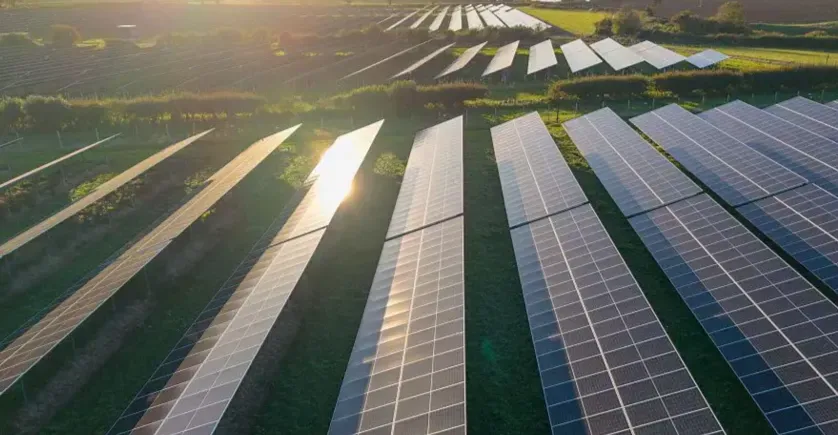
Wind and solar are driving the bulk of global electricity growth, expected together to meet more than 90% of the increase in global electricity demand out to 2026. In Great Britain, wind generated over 85 TWh (nearly 30% of electricity) last year, a slight increase on 2024, while solar saw the most notable rise. Solar panels produced more than 18 TWh, over 6% of British electricity, representing a growth of over 4 TWh versus 2024.
What’s next?
The UK government has set a “clean power” target of 95 percent, aiming for nearly all electricity in Britain to come from renewables and nuclear energy by 2030. Although there are challenges, such as upgrading grid capabilities to handle increased renewable output, the outlook is positive. Globally, renewables are expected to account for 36% of global power supply, against just 32% from coal, signalling continued growth into the new year and beyond.
ERSG Can Help
As the renewables sector looks ahead to 2026, having the right skills in place will be critical to delivering projects on time and at scale. ERSG provides specialist recruitment and workforce solutions across wind, solar, energy storage and related technologies. With deep market knowledge and a global reach, ERSG helps clients navigate skills shortages and changing market conditions.
To learn more about how ERSG can support your projects, visit our website: https://www.ersg-global.com/