

Batteries are now a vital part of the global energy system, and so they have been playing a major role in the global move to a renewable energy future. They are especially important because they store renewable energy like solar and wind when it is produced and release it when it is needed, helping manage variability of power. Battery storage is transforming how energy is generated, stored and used. As costs continue to fall, batteries are central to meeting the world’s 2030 net zero commitments.
Why Batteries Matter
Battery growth is accelerating at an unprecedented pace, driven by falling costs, rapid innovation and supportive government policies. In 2023, battery deployment in the power sector more than doubled, making batteries one of the fastest-growing clean energy technologies worldwide. According to the IEA, global energy storage must increase sixfold by 2030 to meet climate targets, with batteries delivering the vast majority of this growth. As battery costs have fallen by over 90% in less than 15 years, they are now a key enabler of renewable energy.
Battery Technologies
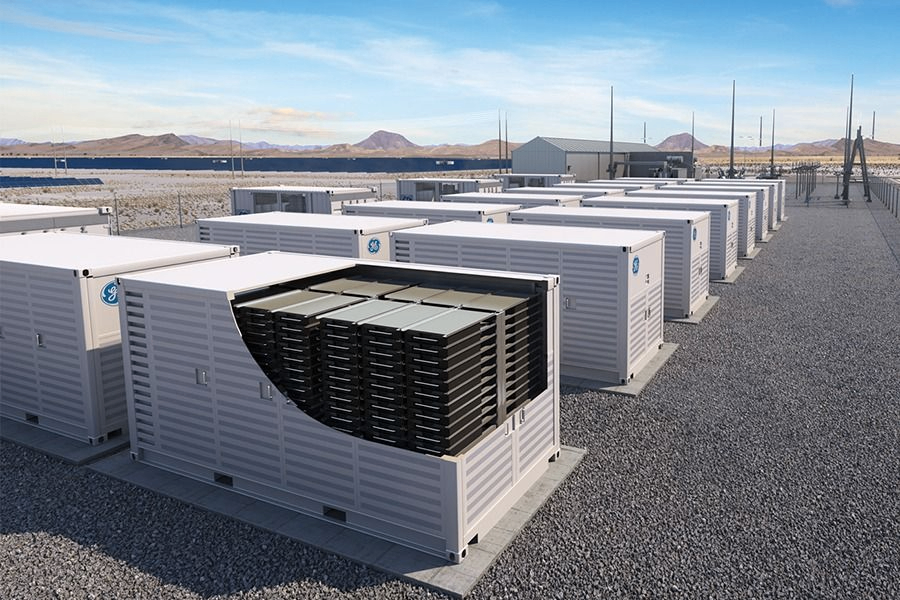
Battery energy storage systems (BESS) have two main types: utility-scale and behind-the-meter batteries. Utility-scale batteries connect to power plants or electricity networks, store from several to hundreds of megawatt-hours, and support the grid with services like frequency regulation and energy shifting. Different battery technologies are used because some applications need fast power delivery, while others need longer storage times. Battery costs have fallen sharply over the past 15 years due to technology improvements and large-scale manufacturing.
AI Improving Battery Storage
Advanced AI is playing a growing role in making battery storage more efficient and safer. Using tools like machine learning and real-time data analysis, AI helps batteries store and release energy based on demand, reduce waste and improve performance, supporting a more reliable power supply. At the same time, AI can detect faults early in battery manufacturing and operation, helping to prevent safety issues such as overheating and fires. As battery production increases and safety standards continue to rise, AI is becoming essential to improving reliability and supporting a stable, sustainable energy grid.