Why Strong, Smart Grids are the Foundation of Europe’s Energy Future
By Kerry Ryan
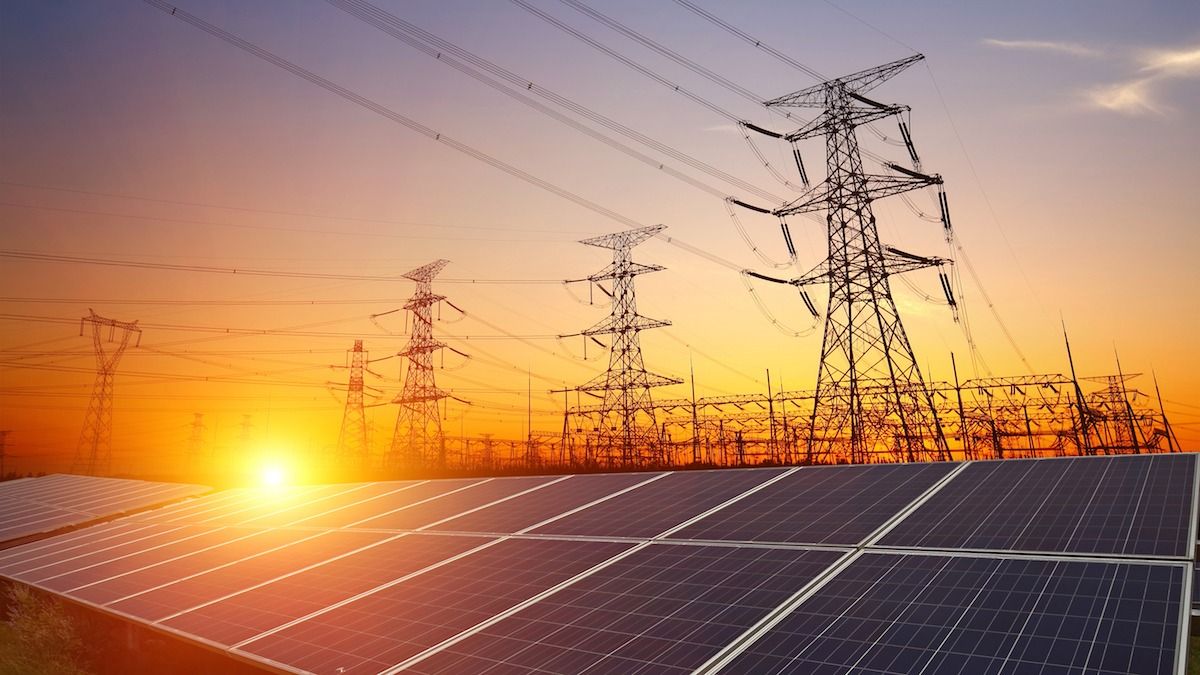
Europe’s clean energy transition is moving fast. With renewable energy scaling across the EU, ambitions for a Net Zero future are stronger than ever. But there is one thing that underpins the whole project: the grid. Without stronger, smarter and more resilient grid infrastructure, even the most ambitious renewable energy targets will struggle to become reality. As Europe navigates the energy transition, grid investment is quickly becoming one of the most critical pieces of the puzzle.
This was a key theme at recent discussions at the Energy Council in Brussels. Industry leaders and policymakers are aligned on what it will take to support the industry long-term. Strengthening the grids emerged as a key part of that plan. If Europe wants electrification to grow at the pace needed, grid development and system resilience must become central to the energy transition.
Another key part of this plan must be grid integration across Europe. A more connected power system allows countries to share electricity more efficiently, which balances supply and demand across borders. This is especially important for renewable energy, as wind and solar power can vary by location and time. Stronger connections between national grids help countries share electricity more efficiently, reducing the need for extra backup power and lowering overall system costs. In fact, analysis suggests that slow expansion of interconnectors could increase Europe’s power system costs by up to 7%.
However, electrification across Europe is still moving slower than many climate targets require. Electricity currently represents just over 20% of total final energy consumption in the EU, a figure that has barely changed over the past decade. Over the next few years, sectors like transport and heavy industry will begin to shift toward electric solutions, and demand for power is expected to rise, which will place greater pressure on existing grid infrastructure.
This is where grid investment becomes critical. Expanding and modernising grids can create new industrial opportunities, as well as support innovation, facilitating jobs across the energy sector. However, capacity is already struggling to keep up with demand in some areas. In Spain, for example, only around 10% of grid connection applications were accepted in 2024, which highlights the urgent need for faster investment in grid expansion.
Ultimately, the success of Europe’s energy transition will depend on the strength and resilience of its power networks. A successful renewable energy transition in the EU will depend on grids that can move power efficiently, as well as balance supply and demand in order to connect electricity across countries. Without the infrastructure to support it, the EU’s ambitious climate strategies risk falling short. If there is a key takeaway, it is that investing in the grid is not optional. It’s essential for achieving climate targets in the EU and beyond.