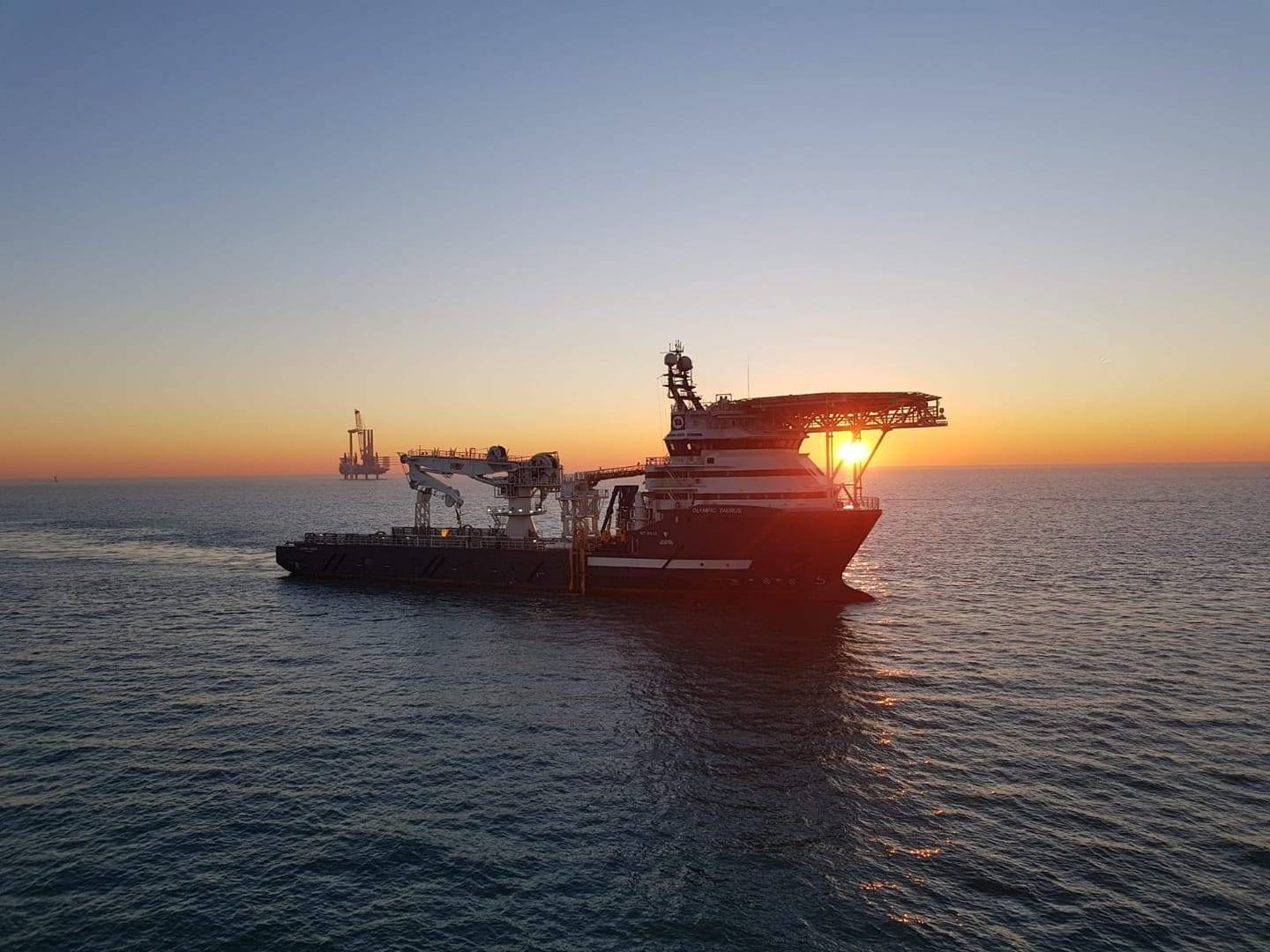

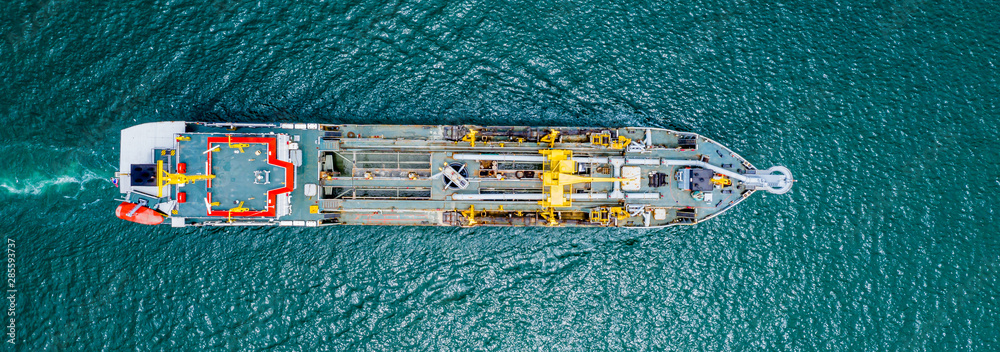
In recognition of Marine Week, we are highlighting the marine energy sector within renewable energy. This sector plays a critical role in the transition to Net Zero. We will outline what marine energy is, how it contributes to a sustainable future, and the types of roles available within this important field.
Marine renewable energy involves generating electricity from the natural movement of ocean water, including waves, tides, and currents. It is a clean energy source that produces no greenhouse gas emissions and has the potential to make a significant contribution to a sustainable energy mix. While offshore wind is currently the most established marine technology, other forms of marine energy, such as tidal stream and wave energy, are continuing to advance.
Since the 1970’s, the UK has been a global leader in developing these technologies, however, most have yet to reach commercialisation. Tidal energy is currently more advanced than wave energy, but both hold considerable potential. If successfully deployed, marine renewables could play a key role in meeting climate targets, generating local economic benefits, and creating export opportunities. Despite this potential, limited revenue and subsidy support, combined with significant engineering challenges, have made the sector less competitive compared with other forms of renewable energy.
The marine energy sector offers a wide range of career opportunities for individuals with expertise in engineering, environmental science, project management, and related fields. Roles include research and development positions focused on advancing tidal and wave technologies, marine and offshore engineers responsible for designing and maintaining infrastructure, and environmental specialists who assess and mitigate ecological impacts.
In addition, there are opportunities in operations, maintenance, data analysis, and policy development, as well as roles supporting project financing and commercialisation. As the sector continues to evolve, the demand for skilled professionals is expected to grow, creating new pathways for those seeking to contribute to the transition to a low-carbon energy system.
Marine energy represents a vital component of the renewable energy landscape, with the potential to support climate goals, drive innovation, and create new economic opportunities. Although the sector faces technical and financial challenges, continued research, development, and investment are essential to driving future growth. As the industry develops, Marine will continue to be vital in the global transition to NetZero.
See Our Latest Jobs in Marine