
The Challenge
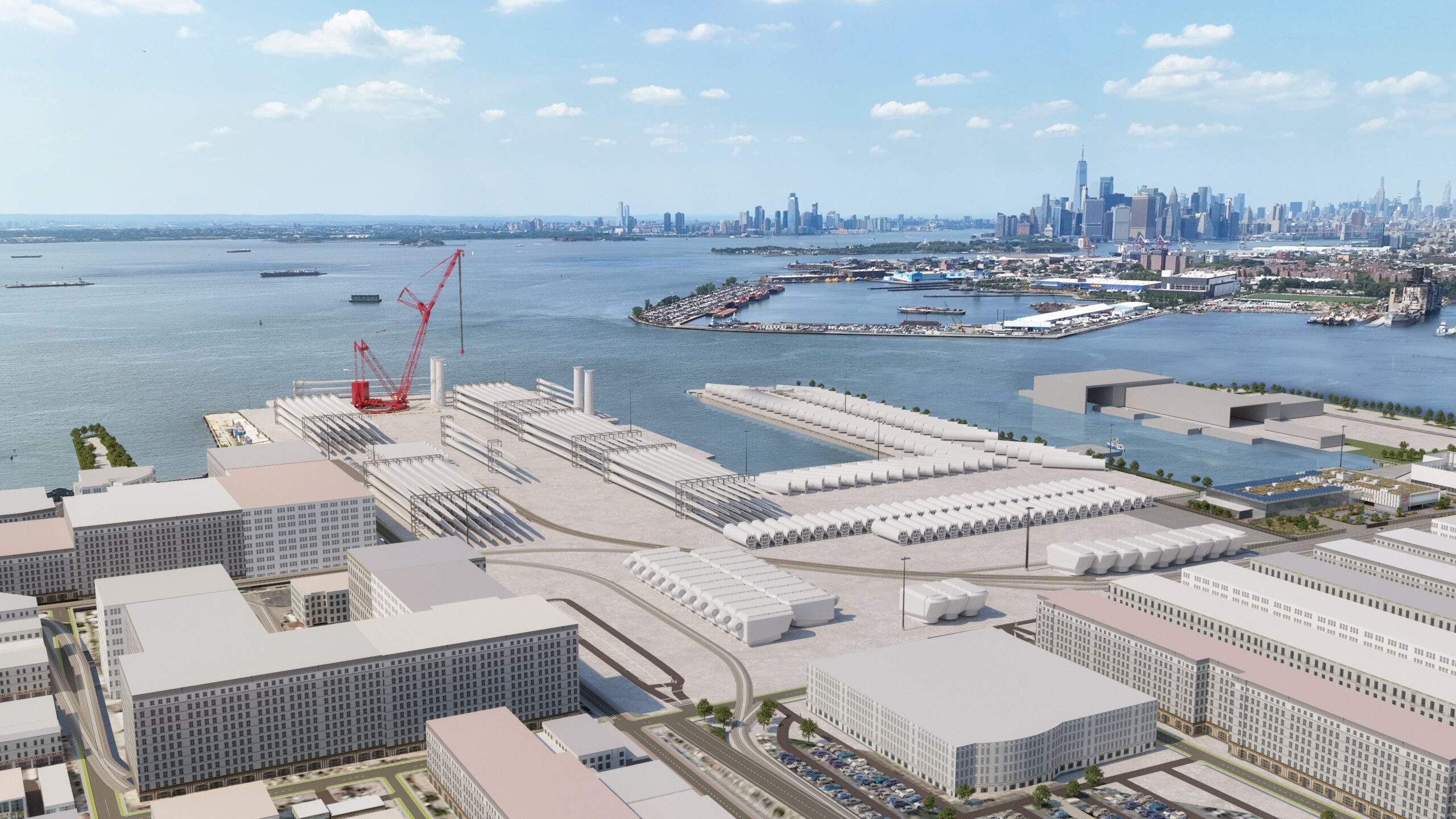
The South Brooklyn Marine Terminal is not a standard infrastructure project. Equinor was converting a working industrial facility in New York City into a major multi-purpose hub for the US offshore wind supply chain - a project significant enough that its permitting timeline had implications beyond the site itself.
New York City's regulatory environment is complex in ways that are specific to it. Multiple authorities. Overlapping jurisdictions. A permitting landscape shaped by city, state and federal requirements that do not always move at the same pace or with the same logic. Navigating that environment requires not just knowledge of what the permits say, but an understanding of how the authorities that issue them operate.
The project also involved multiple contractors, each with their own activities and their own interfaces with permit requirements. Permit-driven sequencing needed to be understood and followed across all of them, and where permit milestones sat on the critical path, a delay in one area could affect the entire construction mobilisation timeline.
The Solution
ERSG placed a Lead Permitting Manager and Senior Permitting Specialists within Equinor's project team, structured to provide the level of dedicated permitting capacity that a programme of this complexity required.
The Lead Permitting Manager took overall responsibility for the permitting programme — tracking deliverables, managing approval timelines and maintaining the visibility that project leadership needed to make informed decisions about sequencing and scheduling.
Managing relationships with NYC authorities was a sustained and active part of the team's work. The permitting specialists engaged regularly with the relevant city agencies, supporting a constructive and collaborative dynamic that is harder to maintain when contact is intermittent and transactional.
Permit-driven sequencing across contractor activities was tracked and communicated to the teams that needed to act on it. Where construction activities were dependent on permit approvals, the permitting team worked to ensure that those dependencies were visible and managed ahead of time rather than discovered at the point of impact.
Risk identification was built into the team's operating rhythm. Competing permit requirements, emerging delays and authority-related issues were surfaced and escalated while there was still time to act on them.
The Outcome
SBMT secured all critical construction permits on schedule. Construction commenced as planned, without the kind of permitting delays that have affected comparable projects elsewhere in the US offshore wind programme.
Authority engagement with NYC remained constructive throughout, a result that reflects consistent, relationship-aware permitting work rather than purely transactional interactions with regulators.
The project maintained its schedule baseline through to facility approval, and the permitting programme supported rather than constrained its ability to do so. For a facility that will play a sustained role in US offshore wind infrastructure, getting the permitting right at the start mattered.
What We Delivered
✓ Full permitting programme management across development and construction phases
✓ All critical construction permits secured on schedule
✓ Active management of relationships with New York City regulatory authorities
✓ Permit milestones and critical path items tracked to prevent schedule delays
✓ Permit-driven sequencing coordinated across multiple contractor interfaces
✓ Early identification and escalation of permitting risks across the programme
✓ Constructive regulatory engagement maintained throughout the process
✓ Construction mobilisation achieved without permitting delays