Specialist ecology jobs in the UK
Ecologists can develop specialist knowledge in several areas, depending on their interests, training and experience.
-
Protected species ecology: Specialists survey species such as bats, great crested newts, badgers and birds, advising on how developments can avoid or reduce harm to wildlife.
-
Ornithology: Ornithologists study birds and their behaviour. In renewable energy, they may assess bird populations, flight activity and potential collision or displacement risks associated with wind farms.
-
Marine ecology: Marine ecologists assess underwater habitats, seabed communities, fish and marine mammals. Their work can support offshore wind developments and associated cable infrastructure.
-
Habitat and botany surveys: These specialists identify plant communities and habitat types, assess ecological condition and advise on habitat protection or restoration.
-
Biodiversity Net Gain (BNG): BNG specialists assess habitat value and help developers plan measurable biodiversity improvements. In England, most developments within scope of the statutory regime must deliver at least 10% BNG, subject to applicable exemptions.
-
Ecological Clerk of Works (ECoW): ECoWs provide ecological oversight during construction, checking that environmental commitments are implemented and advising site teams when ecological issues arise.
Specialising can help ecologists build expertise in a particular field, although broader survey and consultancy experience remains valuable for progression.
What qualifications do you need to become an ecologist?
A degree in ecology, biology, zoology, environmental science or a related subject is a common starting point. Some employers also accept relevant practical experience or vocational qualifications.
Employers often look for fieldwork experience, species identification skills, report writing and knowledge of environmental law. Volunteering with conservation groups or joining wildlife surveys can help build these skills. Professional development through the Chartered Institute of Ecology and Environmental Management (CIEEM) can also be useful.
Some work with protected species requires a licence. Natural England issues relevant licences in England, with other bodies covering Scotland, Wales and Northern Ireland. These licences are not needed for every ecologist, but specialist licences can open up more career opportunities.
Why renewable energy is creating opportunities for ecologists
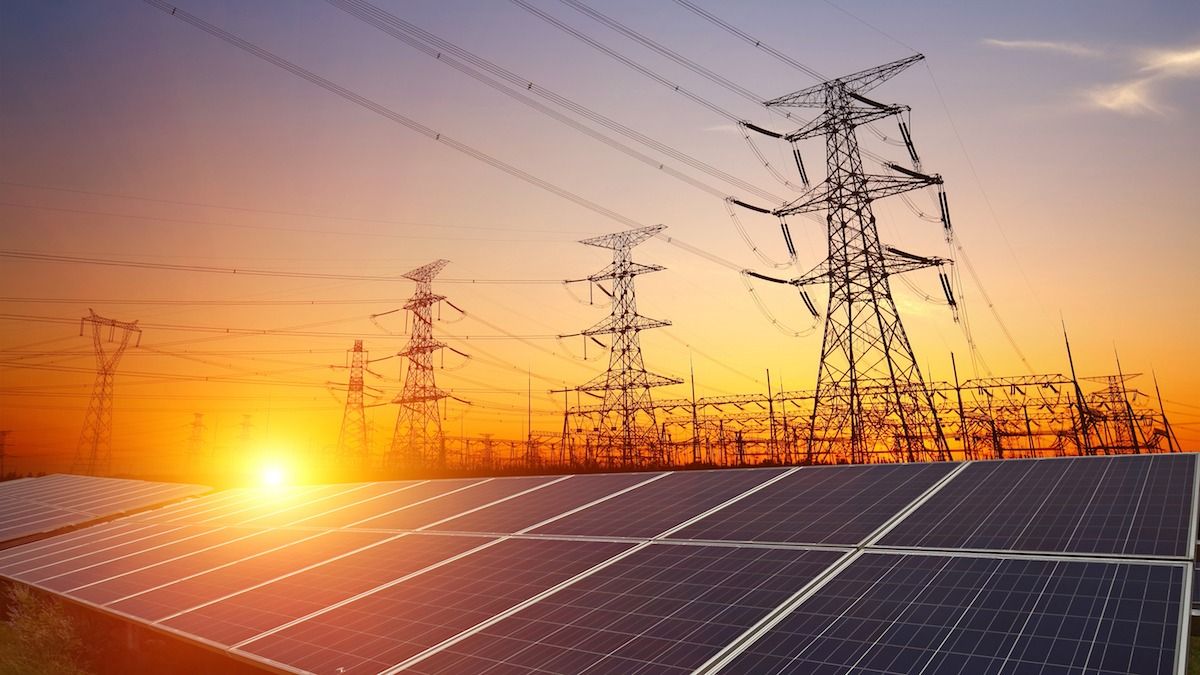
Renewable energy and infrastructure projects need ecologists during planning, construction and operation. For onshore wind, solar and energy storage projects, ecologists carry out surveys, assess habitats, identify protected species and recommend ways to reduce environmental impacts. They may also help with environmental impact assessments and habitat management plans. Offshore wind creates opportunities in marine ecology and ornithology, with specialists assessing seabed habitats, marine mammals and bird populations.
Grid connections, cables and substations also need ecological assessments. Biodiversity Net Gain (BNG) has created further work in England, with ecologists assessing habitats and planning improvements.
For those interested in [onshore wind], [solar and energy storage] or [offshore wind], ecological consultancy offers opportunities to work on renewable energy projects.
Finding the right ecologist career path
Ecology combines fieldwork with technical assessments, environmental law and project work. The right career path depends on your experience, interests and whether you prefer outdoor surveys or office-based work.
Graduates can start in assistant or graduate ecologist roles. More experienced ecologists can move into senior positions or specialise in areas such as marine ecology, ornithology and Biodiversity Net Gain (BNG). Renewable energy and infrastructure projects also offer opportunities for ecologists to use their skills in environmental assessments.
Whether you are starting your career or looking to move into renewable energy, understanding the different roles available can help you plan your next step.
Frequently Asked Questions:
What does an ecologist do?
Ecologists study wildlife and habitats, carry out surveys and assess how developments may affect the environment. They also recommend ways to protect species and habitats.
How do I become an ecologist in the UK?
You can start with a relevant degree, gain fieldwork experience and develop skills in species identification, ecological surveys and report writing.
What qualifications do you need to be an ecologist?
A degree in ecology, biology, zoology, environmental science or a related subject is common. Practical experience and relevant training can also help.
Do ecologists need a protected species licence?
Not all ecologists need a licence. Some surveys and activities involving protected species require specific licences, depending on the species and work involved.
What is an Ecological Clerk of Works?
An Ecological Clerk of Works (ECoW) checks construction work to ensure it follows environmental requirements and helps protect wildlife and habitats.
Can ecologists work in renewable energy?
Yes. Ecologists support onshore and offshore wind, solar, energy storage and grid projects through surveys, environmental assessments and habitat management.
Is ecology work seasonal?
Some fieldwork is seasonal because surveys must take place at specific times of year. However, report writing, assessments and project management can provide year-round work.