As the renewable energy sector continues to grow, new technologies and infrastructure will play an increasingly important role. Beyond wind and solar, the industry is focusing on the systems needed to support further growth.
Grid capacity and connections, battery storage, floating offshore wind, rising electricity demand from data centres, hydrogen, biodiversity requirements and digitalisation are all expected to influence the energy market in 2027. These changes will also shape the skills needed across the industry, creating new roles and increasing demand for transferable expertise.
As we approach the new year, here are some of the key trends likely to shape the future of renewable energy in 2027.
1. Grid capacity and connections
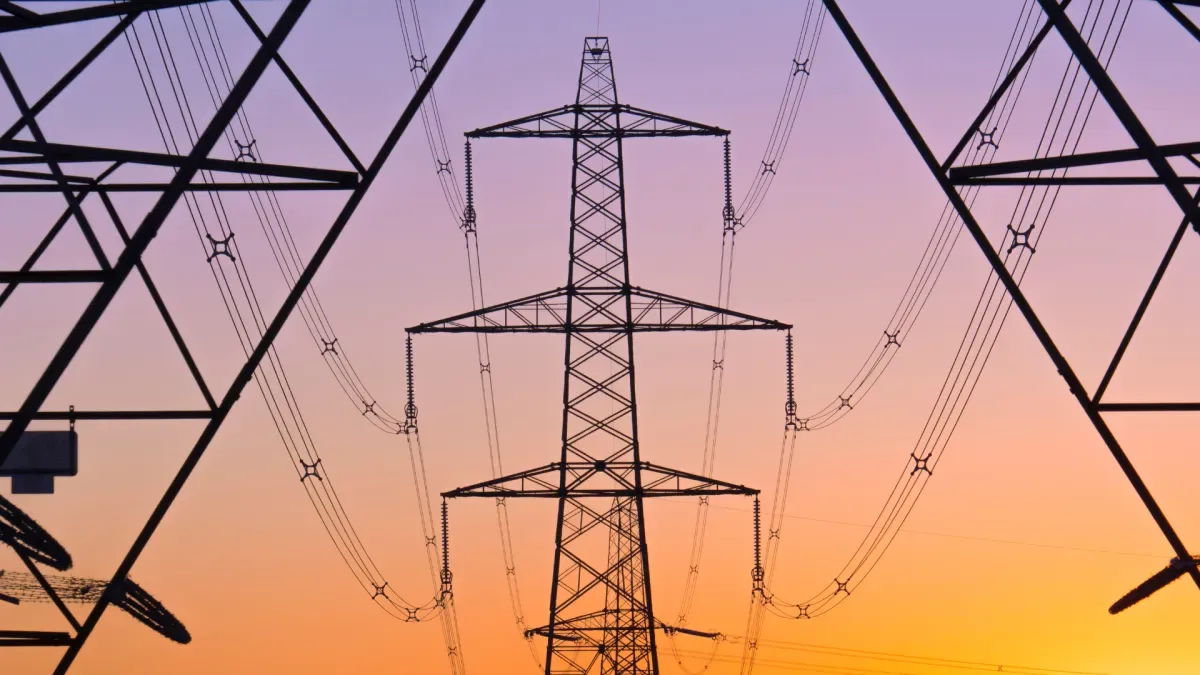
Grid infrastructure is becoming one of the biggest considerations for renewable energy development. More wind, solar and battery projects need grid connections, while existing networks need to handle more electricity from variable sources.
In the UK, expanding and modernising the grid will be important to delivering on clean power goals. For the workforce, this means continued demand for electrical engineers, grid connection specialists, planners, project managers and construction professionals.
Candidates with experience across both renewable generation and grid infrastructure may be particularly well placed as these areas become increasingly connected. Employers will also need people who understand the technical and regulatory requirements involved in getting projects from development through to connection.
2. Battery and long-duration energy storage
Battery storage has become an increasingly important part of the renewable energy market. Wind and solar generation can vary depending on weather conditions, while electricity demand also changes throughout the day. Batteries can store electricity when supply is high and release it when it is needed.
Short-duration batteries are already being used at scale, while longer-duration storage is also growing. These systems store energy for longer periods, helping supply power when renewable generation is lower.
This is creating demand for electrical and battery engineers, commissioning specialists, project managers and operations and maintenance professionals. Skills from power generation, electrical engineering and grid infrastructure can also transfer to the storage sector. For employers, the challenge is finding people with the right technical skills and experience in a fast-growing market.
3. Floating offshore wind
Floating offshore wind could open up new areas for offshore wind projects. Unlike fixed-bottom turbines, floating turbines can operate in deeper waters because they are not fixed to the seabed. The technology is still developing, and wider use will depend on costs, supply chains, infrastructure and investment. However, floating wind could become increasingly important as countries look to expand their offshore wind capacity.
The technology could also create demand for skills that are less common in traditional offshore wind, including marine engineering, subsea construction, mooring systems and specialist vessel operations. This could create opportunities for professionals moving from offshore oil and gas, marine engineering and other related industries into renewables. For employers, transferable skills could become more valuable as the floating wind sector grows.
4. Hydrogen and emerging energy technologies
Hydrogen remains an important part of the renewable energy industry outlook, especially for industries that are difficult to electrify. Green hydrogen is made using renewable electricity to split water into hydrogen and oxygen. It could help reduce emissions in areas such as heavy industry and shipping. However, the hydrogen market is still developing, and its growth will depend on costs, infrastructure, government support and access to renewable power.
Other technologies, including long-duration energy storage, advanced geothermal and marine energy, are also worth watching. As these markets grow, they could create demand for specialist engineers, project developers, commercial professionals and regulatory experts. They could also create opportunities for people moving from established energy sectors into new areas of the energy transition.
5. Biodiversity and environmental requirements
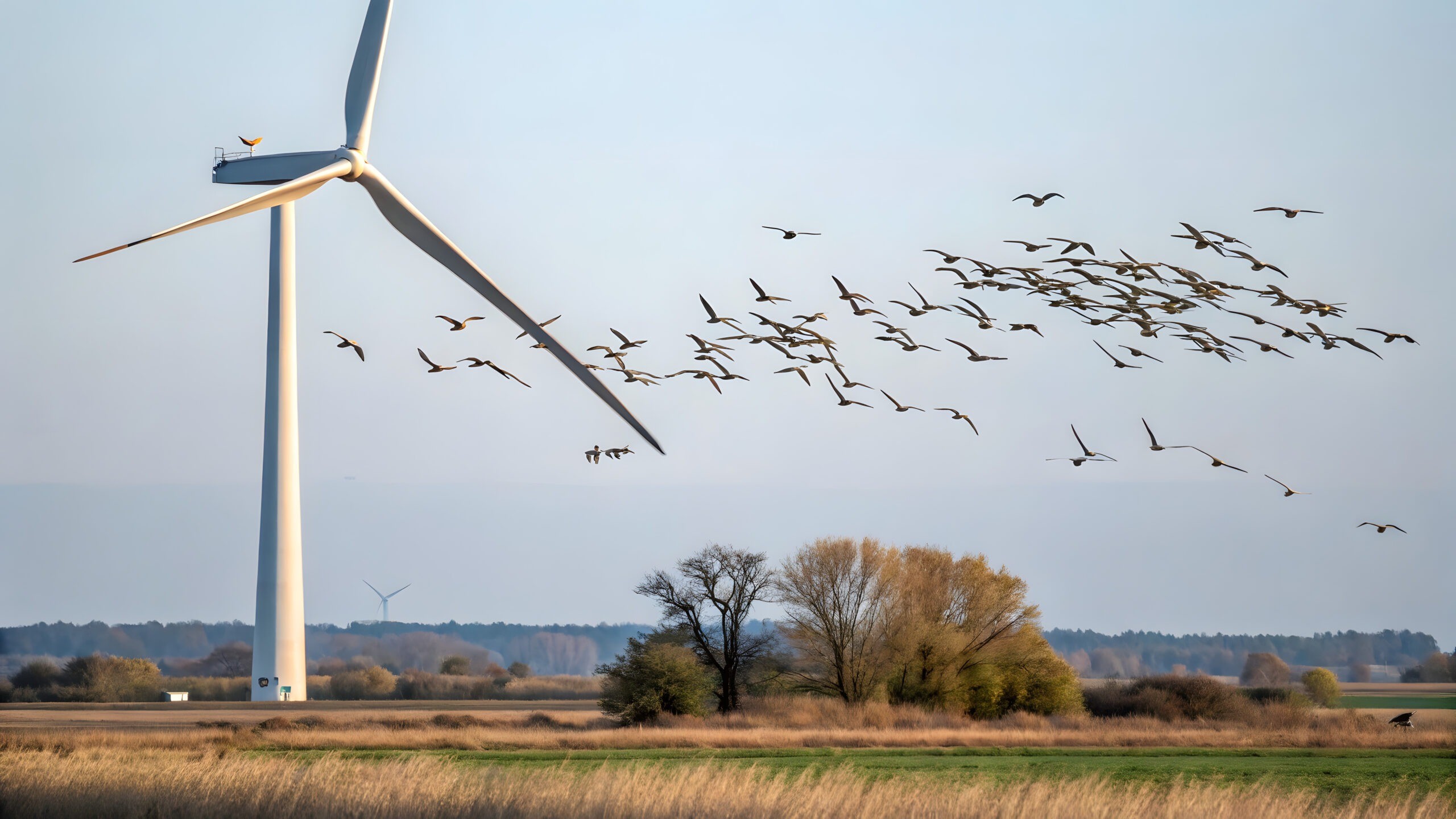
The growth of renewable energy also needs to consider the environment. Developers need to consider biodiversity, habitats, land use and the wider impact of new projects. These factors can affect where projects are built, how they are designed and how they move through planning and approval.
Environmental skills will therefore remain important. Ecologists, environmental consultants, planners and environmental impact specialists will continue to play a key role in renewable energy projects. Project managers and developers will also need to understand environmental issues early on to help identify potential challenges and avoid delays.
6. Digitalisation, AI and renewable asset management
AI is also changing how renewable energy assets are monitored and managed. Wind farms, solar projects and battery systems generate large amounts of operational data. Digital tools can help operators identify performance issues, predict potential equipment failures and plan maintenance more effectively.
As renewable portfolios grow, asset owners will need increasingly sophisticated ways to manage large numbers of sites and assets.
This could increase demand for performance engineers, asset managers, data analysts and digital specialists, as well as engineers who can combine technical energy knowledge with data skills. For experienced candidates, developing digital expertise alongside existing engineering or energy experience could therefore be a useful way to prepare for changing requirements.
What do these renewable energy trends mean for hiring?
The energy transition trends for 2027 are changing the skills employers need. Demand for specialist talent is likely to continue, particularly across renewables, storage, grid infrastructure and new technologies.
Many skills can also transfer between sectors. Electrical engineers can work across renewables, storage and the grid, while marine professionals can move into floating offshore wind. Construction and engineering professionals may also find opportunities across renewable energy and data centre projects.
Hiring needs will vary across each stage of a project. Contract workers can provide flexibility during development, construction and commissioning, while permanent teams are important for ongoing operations and long-term growth.
For candidates, understanding where investment is growing and building transferable skills can help identify new opportunities. Experience with digital tools, grid infrastructure, environmental requirements and complex projects can also be valuable.
The future of renewable energy
The renewable energy market is changing quickly. Growth will depend not just on new wind and solar projects, but also on grid infrastructure, energy storage, technology and environmental requirements. For employers, this means planning for specialist skills early. For candidates, transferable skills and knowledge of emerging areas could open up new opportunities. The future of renewable energy will depend on investment, technology, policy and the people needed to deliver these projects.
Frequently Asked Questions
What are the biggest renewable energy trends for 2027?
Key trends include grid expansion, battery storage, floating offshore wind, hydrogen, digitalisation and rising energy demand.
What is the future of renewable energy in the UK?
The UK renewable energy market is expected to grow, supported by investment in wind, solar, grid infrastructure and energy storage.
Which renewable energy sector is growing fastest?
Solar, battery storage and offshore wind are among the key growth areas in renewable energy.
How will grid constraints affect renewable energy projects?
Grid constraints can delay projects and make it harder to connect new renewable energy generation.
What skills will the renewable energy industry need in 2027?
Demand is expected for engineers, project managers, construction professionals, environmental specialists and digital and grid experts.
Is renewable energy a good career choice for the future?
Yes. The growing renewable energy market offers opportunities across engineering, construction, project management, technology and environmental roles.

