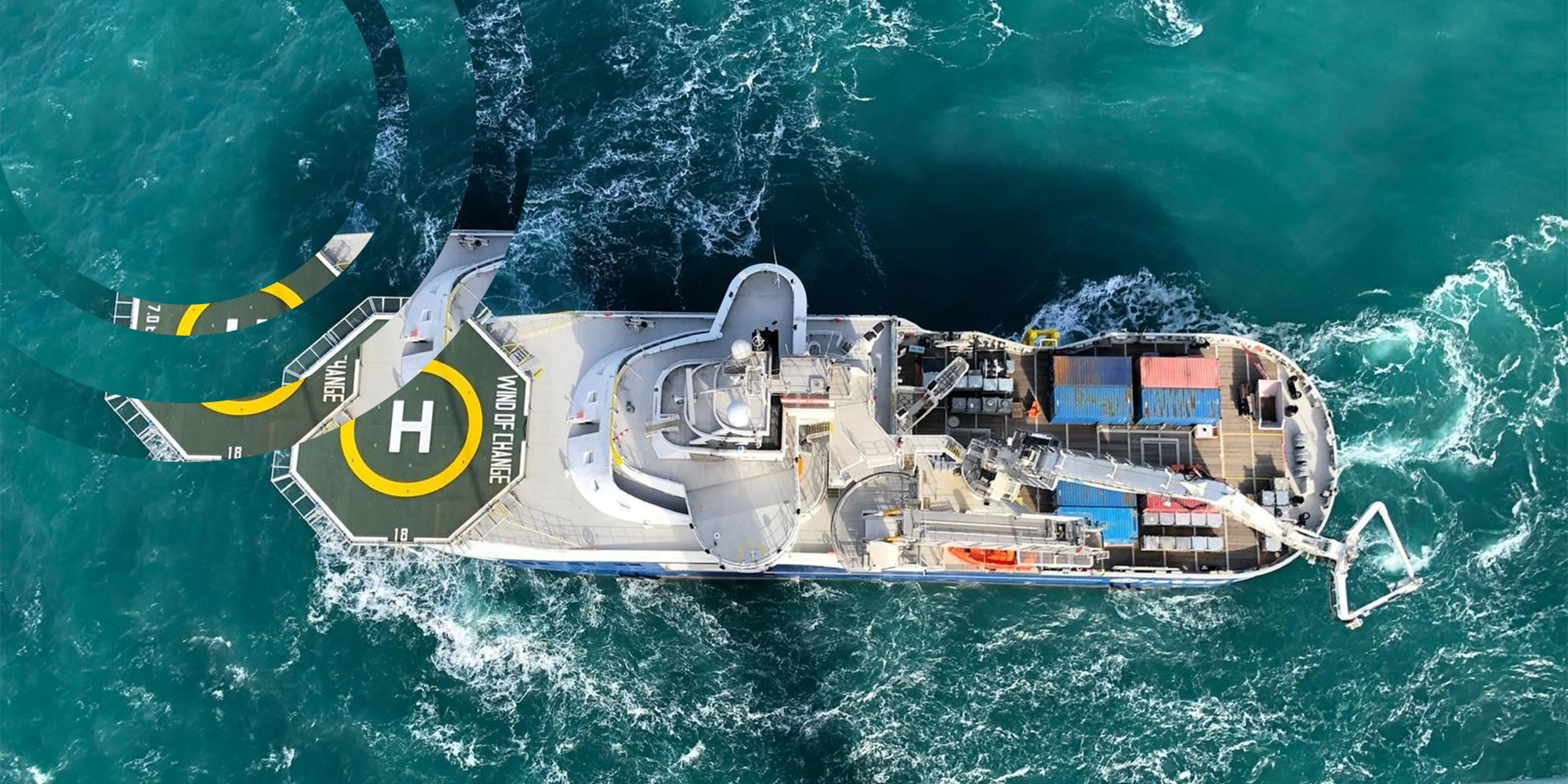
The UK marine energy sector offers opportunities for marine specialists, vessel crews and offshore operations professionals as offshore wind, wave and tidal energy develop.
Marine energy jobs in the UK include roles in subsea engineering, surveying, marine coordination and environmental monitoring. Experience in oil and gas, shipping, defence or port operations can also help candidates move into marine renewables.
The UK marine energy market in 2026
The UK has a well-established offshore wind industry, while wave and tidal energy technologies are still developing. The government aims to reach 43–50 GW of offshore wind capacity by 2030. In January 2026, the latest government auction awarded contracts for 8.4 GW of offshore wind capacity, supporting further growth in the sector.
Orkney is a key centre for marine energy. The European Marine Energy Centre (EMEC) tests wave and tidal devices in real sea conditions, while the MeyGen project in the Pentland Firth generates electricity from tidal currents.
These projects support marine renewable jobs in engineering, testing and offshore operations. Opportunities vary by project and location, so candidates should also consider roles across the wider offshore energy sector.
Marine energy jobs in demand
1. Marine operations and coordinators
Marine coordinators manage offshore activities, including vessel movements, personnel transfers and equipment deliveries. Experience in offshore operations, vessel scheduling or marine logistics is valuable, particularly for offshore wind construction and maintenance.
2. Marine warranty and assurance specialists
Marine warranty surveyors assess the safety and technical risks of marine operations, including heavy lifts, vessel movements and offshore installations. Backgrounds in marine surveying, naval architecture or offshore engineering are useful, alongside knowledge of marine standards and risk assessment.
3. Naval architects and marine engineers
Naval architects and marine engineers design and assess vessels, marine systems and offshore structures. They support offshore wind installation and maintenance, as well as the development of wave and tidal technologies. Experience in shipbuilding, vessel design or offshore engineering can be transferable.
4. Subsea and cable engineers
Subsea and cable engineers work on underwater infrastructure, including the cables that carry electricity from offshore wind farms to shore. Their responsibilities can include route planning, installation, testing and fault investigation. Experience in electrical engineering, subsea construction or offshore oil and gas can be relevant.
5. Geophysical and geotechnical survey specialists
These specialists assess the seabed before offshore construction begins. Geophysical surveys map seabed conditions and identify hazards, while geotechnical investigations assess whether the ground can support foundations and cables. Hydrographers, geophysicists and geotechnical engineers can find opportunities across offshore wind and marine infrastructure.
6. ROV and subsea operations specialists
Remotely operated vehicles (ROVs) inspect underwater infrastructure, collect survey data and support installation and maintenance. ROV pilots and supervisors with experience in oil and gas, subsea construction or marine surveying may be able to transfer their skills into marine renewables.
7. Marine environmental and consenting specialists
These professionals assess the potential impact of offshore projects on marine wildlife and habitats. Their work includes environmental surveys, impact assessments and monitoring to help projects meet regulatory requirements. Relevant roles include marine ecologists, environmental consultants and marine mammal observers.
8. Offshore HSE professionals
Health, safety and environmental (HSE) professionals help ensure offshore work is carried out safely. They manage risk assessments, safety inspections and compliance with project procedures. Experience in offshore oil and gas, maritime operations or major engineering projects can provide a useful foundation.
9. Vessel and logistics management
Vessel and logistics professionals organise the movement of people, equipment and materials for offshore projects. Experience in shipping, port operations or offshore logistics is useful for coordinating vessels, deliveries and schedules.
10. Tidal and wave energy engineers
These engineers develop and test technologies that generate electricity from waves and tidal currents. Roles can involve designing equipment, testing prototypes and monitoring performance. Experience in marine engineering, renewable energy or offshore operations can be valuable as the sector develops.
Moving into marine renewable energy
You do not necessarily need direct renewable energy experience to pursue offshore marine careers. Many of the skills used in marine renewables are already established in other industries.
Oil and gas professionals may bring experience in subsea engineering, ROV operations, offshore HSE and installation work. Merchant Navy personnel can offer vessel operations, navigation and marine safety expertise, while Royal Navy backgrounds may provide relevant experience in engineering, logistics, navigation and operational planning.
Port and shipping professionals may also be well suited to marine coordination and logistics roles. The key is to identify which skills transfer directly and where additional training, certification or renewable energy experience is needed.
Finding marine energy jobs in the UK
Marine energy jobs in the UK span offshore wind, subsea engineering, surveying and wave and tidal energy. Experience in these areas can open up opportunities across the offshore energy sector.
ERSG recruits for contract and permanent roles in marine operations, subsea engineering, offshore wind and project management. Explore our Marine Jobs or learn more about our marine recruitment expertise.
Is marine energy a growing industry in the UK?
The UK’s offshore wind sector continues to expand, while tidal stream and wave energy technologies are developing. This creates opportunities for marine professionals in engineering, operations, surveying and environmental services.
Frequently Asked Questions:
What are marine energy jobs?
Marine energy jobs support offshore wind, tidal and wave energy projects. Roles include marine engineering, vessel operations, subsea work and environmental surveying.
What marine energy jobs are in demand in the UK?
Key roles include marine coordinators, subsea engineers, survey specialists, ROV operators, vessel crews and offshore HSE professionals.
Are there jobs in tidal and wave energy?
Yes. Opportunities include engineering, device testing, maintenance and offshore operations, although the sector is still developing.
Can I move from oil and gas into marine renewables?
Yes. Skills in subsea engineering, offshore operations, vessel management and HSE can transfer to marine renewable energy projects.
What qualifications do I need for a marine energy career?
Requirements depend on the role. Engineering positions may require relevant degrees or technical qualifications, while offshore roles may need specific safety training and certifications.
Is marine energy a growing industry in the UK?
Yes. Offshore wind continues to expand, while investment in tidal and wave energy is supporting the development of new technologies and job opportunities.